Call For a Consultation
Call For a Consultation

Wills and Trusts are both tools used in the estate planning process. They both serve very different purposes and are useful in different situations. Using a Will to pass assets at death generally requires going through the Surrogate Court Probate process in the county where the deceased person lived. Using a Trust to pass assets at death rather than a Will avoids the Probate process and keeps the inheritance provisions private.
Last Will & Testament. A Last Will & Testament (“Will”) governs how assets that don’t pass another way pass at death. In addition to inheritance provisions, Wills contain the appointment of both the person(s) responsible for distributing assets pursuant to the Will (called the “Executor”) and guardianship provisions for minor children. Wills often include Trusts for spouses/children as well appointing who will be in charge of such trusts (called the “Trustee”).
Wills can also contain planning provisions for beneficiaries with special needs as well as estate tax planning strategies.
A Will is a very formal document, with signing requirements that need to be met for the it’s validity. When someone passes away, if the Will is needed to pass an asset that does not pass another way, the Will is required to go through the Probate process. Additionally, the Will at that point becomes public record.
Helping families navigate estate planning while caring for both aging parents and children.
Trusts. A Trust is like buckets. It is used to carry (“protect”) specific items (“assets”). The person who creates the Trust decides how the items in the bucket (assets in the Trust) are to be distributed and maintained as well as the rules the Trust needs to follow. These directions are contained in the Trust Agreement. Trusts are used for many different purposes and there are many different types. At Weiss Zarett, our Estate Planning team customizes each Trust to meet each client’s specific goals. Often Trusts are used for:
Trust Lingo. There are at least 3 parties to every Trust:
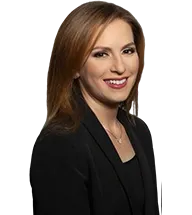
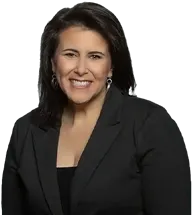
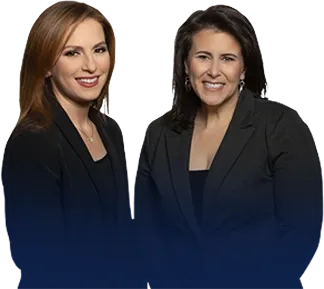
To learn more about Wills and Trusts or discuss your planning, please click our links below to schedule an appointment with Keren or Jaime.

3333 New Hyde Park Road
Suite 211
New Hyde Park, NY 11042
Call Us 516-627-7000
Fields marked with an * are required
Copyright © 2026
Weiss Zarett Brofman Sonnenklar & Levy, P.C • All Rights Reserved. Disclaimer |
Site Map |
Privacy Policy.
Digital Marketing By:

*Images are obtained under license from Canva and other third-party stock image providers, with attribution included where required.